
The Importance and Responsibilities of Football Refereeing

Football referees are critical figures responsible for the fair and orderly management of the game. These referees play an important role in ensuring justice on the football field, player safety, and the correct application of the game's rules. Dealing with challenging responsibilities such as controlling the flow of the match, managing player behavior, and making instant decisions increases the complexity of refereeing.
Refereeing Training and Continuous Development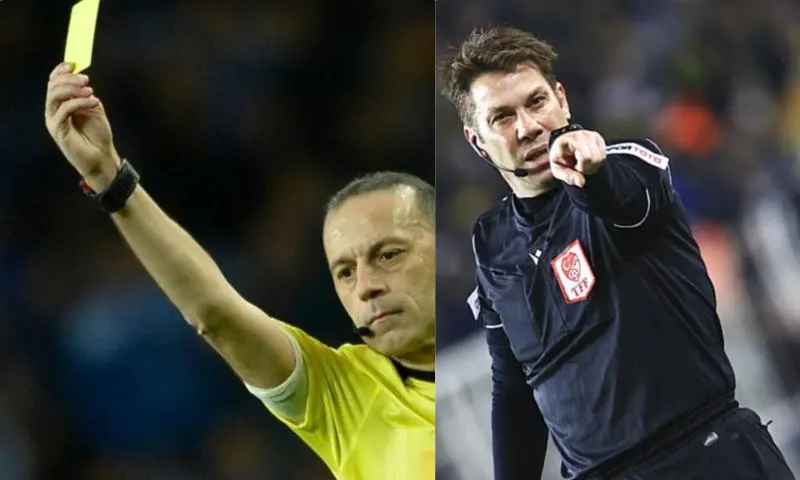
Football refereeing requires not only knowing the rules but also the ability to cope with stress, communication skills, and the ability to correctly evaluate the factors affecting the game. Therefore, referees participate in special training programs and regular evaluations. While refereeing training teaches candidate referees all aspects of the game, it provides experienced referees with up-to-date information on topics such as new rules, technological developments, and player tactics. This continuous development ensures that referees maintain their professionalism.
Challenges and Coping with Criticism in Refereeing
Football referees may sometimes have to make difficult decisions and cope with criticism from players, coaches, and fans. Referee decisions are closely watched, especially in prominent matches, and are often a subject of debate. Referees must remain fair and impartial despite this pressure and criticism. At the same time, technological tools supporting the referees' decisions, such as VAR (Video Assistant Referee) systems, are provided to help them make correct decisions. Referees must strive to maintain their psychological resilience against these challenges and to continuously improve.