
How to Use an Office Chair?

To have an efficient and healthy work process in an office environment, it is not enough to have a quality chair; it is also very important to use this chair correctly. The first and most important answer to the question of how to use an office chair is to ensure the correct sitting position. Feet should be flat on the floor, knees should be bent at a 90-degree angle. The hips should rest as far back in the chair as possible and the back should be fully supported. If there is a lumbar support that fills the lumbar gap, its use is recommended. Also, the screen should be at eye level so that the neck is not constantly bent. The chair height should be adjusted so that the arms can rest comfortably on the desk. You can look at the relevant online companies on the web pages for information on this subject and to ask the questions you are curious about, and you can examine them in detail from here.
Office Chair and Chair Adjustments Should Be Made According to Personal Needs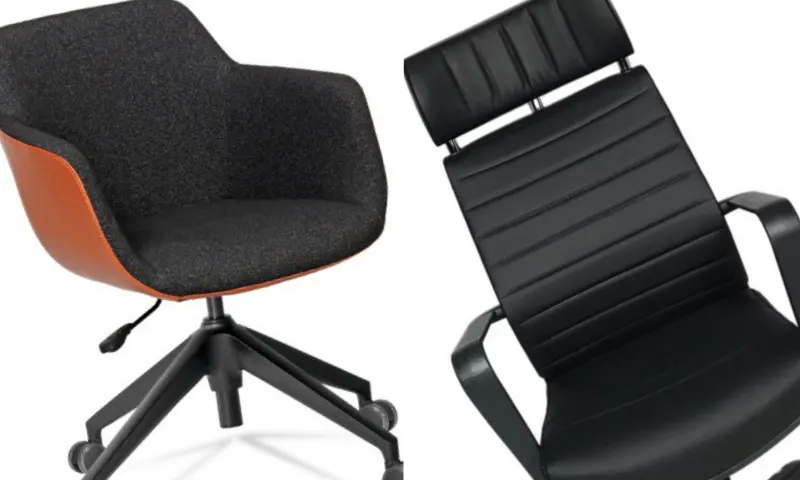
Most modern office chairs have customizable features. The answer to the question of how to use an office chair lies in using these features consciously. Parts such as the backrest angle, seat height, and armrest adjustments should be adjusted according to the person's body measurements. In this way, the body is less strained during prolonged sitting and work performance increases. The fact that the chair has wheels provides mobility; however, braking systems can be preferred when working in a fixed position.
Office Chair Should Change Position at Regular Intervals
Even the most ergonomic chair can cause health problems if it is kept still for a long time. Therefore, an important answer to the question of how to use an office chair is to move regularly. Getting up for short breaks every 30-45 minutes protects spinal health and supports blood circulation. Also, updating the sitting position throughout the day with small changes prevents tension that may occur in the body. The correct sitting posture can also be answered with basic principles such as personal adjustments and regular movement.