
The Importance of Swimming Training

Swimming training, in addition to imparting a vital skill for both children and adults, holds great importance for physical and mental health. Swimming is a type of exercise that works the entire body and improves cardiovascular health. It is also a fundamental safety skill for preventing dangers such as drowning. Swimming training, especially for children, provides significant benefits in overcoming the fear of water and developing confidence in water when started at an early age. Swimming also improves skills such as coordination, balance, and breath control. Furthermore, swimming training offers additional advantages such as the development of social skills, and learning teamwork and discipline. Swimming, as a sport that can be sustained throughout life, enhances an individual's overall health and quality of life. For information on this topic and to ask your questions, you can look at the relevant online companies on web pages and review them in detail from here.
Basic Stages of Swimming Training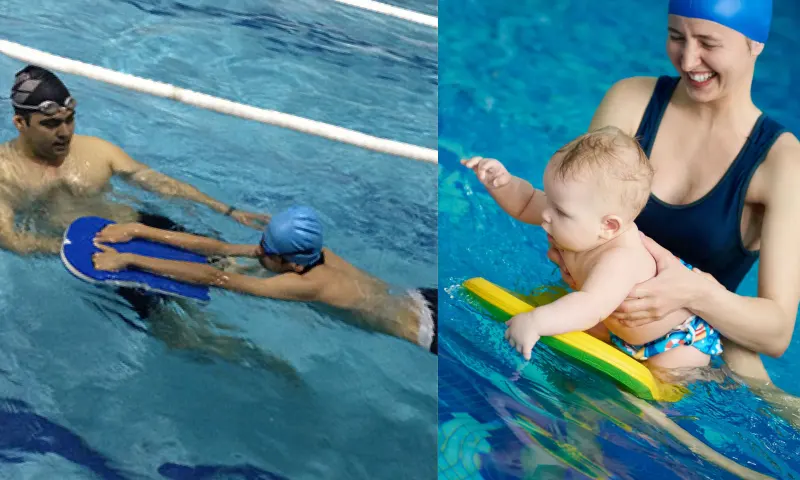
Swimming training generally progresses through several basic stages. The first stage involves getting accustomed to the water and learning basic water safety skills. In this stage, students learn to enter the water, stay afloat, and hold their breath underwater. The second stage includes teaching basic swimming techniques. In this stage, swimming styles such as freestyle, backstroke, breaststroke, and butterfly are practiced. Each swimming style works different muscle groups and requires different breathing techniques. The third stage is the development and strengthening of swimming skills. In this stage, students undertake more intensive training to increase their speed and endurance. Advanced techniques such as turns and underwater swimming are also taught. The final stage involves preparation for swimming competitions or long-distance swimming events. These stages ensure that swimmers of all levels develop their swimming skills safely and effectively.
Benefits of Swimming Training
Swimming training offers numerous physical, mental, and social benefits. Physically, swimming works all body muscles and increases calorie burning, thus aiding in weight control. It also strengthens muscles and increases flexibility due to water resistance. Mentally, swimming reduces stress and improves mood by promoting the release of endorphins. Regular swimming exercises also improve sleep quality. Socially, swimming training allows individuals to develop their social skills and build new friendships during group lessons. Teamwork and a spirit of competition increase individuals' motivation and ensure they are disciplined. Swimming is an accessible sport for everyone, and it is an activity that individuals of all ages and skill levels can participate in. In conclusion, swimming training is a comprehensive skill that helps individuals lead a healthy life, participate in water activities safely, and build social connections.