
What is a Battery and What are the Types of Batteries?
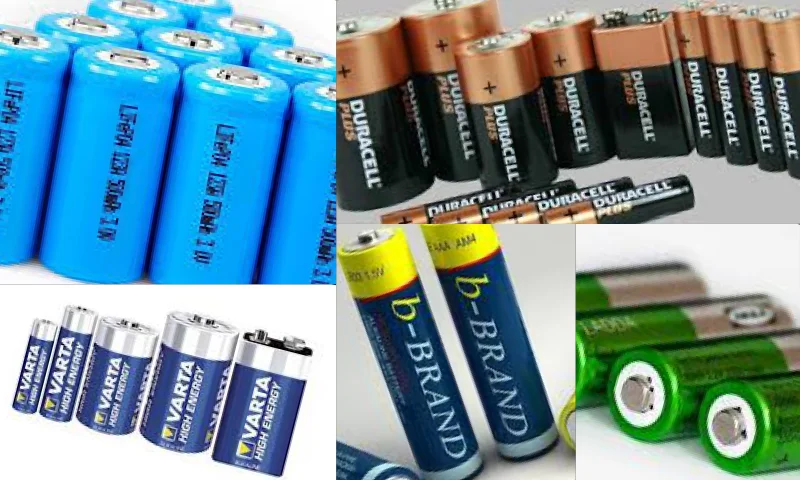
They convert chemical energy into electrical energy and store energy in this way. If the conversion occurs in one direction, these types of batteries are disposable. If the conversion can occur in two directions, from chemical to electrical and from electrical to chemical, then these types of batteries are known as rechargeable batteries. When batteries with the same chemical structure (same size, same electrical capacity) are brought together, they form battery groups. This is called a battery pack. In other words, battery packs are formed by combining batteries with the same characteristics. In our daily lives, the energy sources we use the most are batteries and battery packs. Especially phone batteries are among the most used energy sources today.
Types of Batteries
Types of batteries are divided according to whether the battery can be charged and the substances used in the battery. Batteries that cannot be charged are called primary batteries, and zinc batteries, alkaline batteries, and lithium batteries can be given as examples. Batteries that can be charged are called secondary batteries. Nickel-cadmium batteries, lithium-metal hydride batteries, lithium-ion batteries, and lithium-polymer batteries are examples of rechargeable batteries. And finally, there are button cells. Examples of these include silver-oxide batteries, zinc-air batteries, lithium batteries, and alkaline batteries. Non-rechargeable batteries: these are disposable batteries that we use a lot in daily life. These types of batteries should be disposed of for recycling after their lifespan is over. Zinc batteries: Used for devices that operate with very low current. They are disposable. These are the batteries we use in TV remotes or wall clocks. Alkaline batteries: A type of battery used to power devices that require high current. The primary purpose of these batteries is to meet the urgent need for energy. However, they can be used for many years in wristwatches. If left in the device after the battery's life is over, it will start to leak after a while and damage the structure of the electronic device it is in. For this reason, they should not be left in the device. Lithium Batteries: A type of battery used in industrial devices. It has also started to be used in electronic scales today. Although they are disposable, they are long-lasting (between three and ten years) and practical batteries. Batteries used in more advanced technology products are called rechargeable batteries. In other words, these types of batteries are also called accumulators. They perform the function of non-rechargeable batteries in both directions, so they can be charged and continue to work even when their energy is depleted. Their long lifespan (on average five hundred to a thousand recharges) and economic viability are reasons for their preference. Both rechargeable and non-rechargeable button cells are available. As the name suggests, they are batteries in the shape of a button. They are especially used in wristwatches. They are suitable for devices that operate with low current. Their areas of use vary. They are used in many different fields, from wristwatches to memory cards.





