
Environmental Impacts of Battery Waste
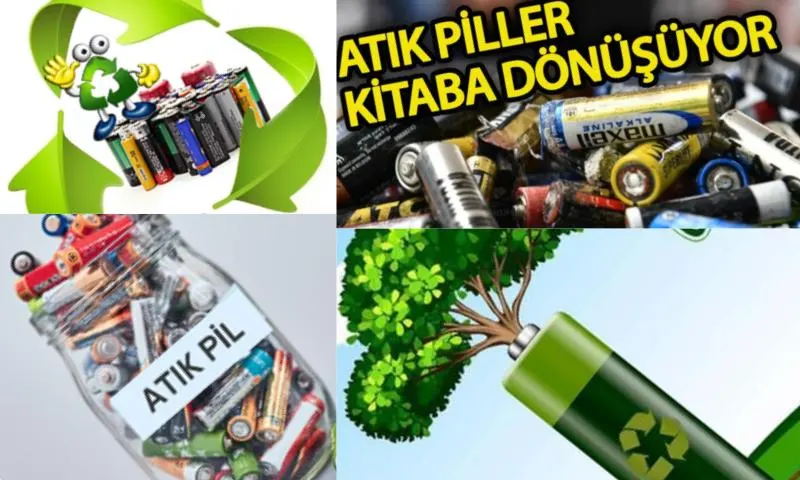
Battery waste is a type of waste that we frequently use in our daily lives but has harmful environmental effects. Batteries, due to the chemicals they contain, can cause serious damage to soil, water, and air if not disposed of properly. Here's what you need to know about battery waste and proper disposal methods: Batteries pose a significant threat to the environment due to the heavy metals (such as lead, mercury, cadmium) and chemicals they contain. When waste batteries are thrown in the trash, they decompose over time and mix with the soil and groundwater. This situation disrupts the natural ecosystem and threatens human health. For example, heavy metals mixed with the soil can enter the food chain through agricultural products and cause serious health problems in the long run. Additionally, when battery waste is burned, toxic gases are released into the air, leading to air pollution and respiratory diseases. You can examine this topic in detail by looking at relevant online companies on web pages to get information and ask your questions.
Proper Disposal Methods for Battery Waste
It is of great importance that battery waste is disposed of properly to prevent environmental damage. You should never throw used batteries in the trash and should leave them in special battery collection boxes. Many municipalities, schools, markets, and public institutions have established battery collection points. Batteries left at these points are sent to recycling facilities, where they are purified of their harmful substances and recyclable materials are separated. Furthermore, by choosing rechargeable batteries when purchasing batteries, you can reduce the amount of waste. Rechargeable batteries have a longer lifespan than single-use batteries and produce less waste.
Benefits of Recycling Battery Waste
Recycling battery waste provides great benefits for both the environment and the economy. Through recycling, the heavy metals and chemicals contained in batteries are disposed of without mixing with nature. This prevents soil, water, and air pollution. In addition, valuable metals (such as nickel, zinc, lithium) obtained from batteries during the recycling process are reused, contributing to the conservation of natural resources. This is both an environmentally friendly practice and an economic saving.