
Balance Tank
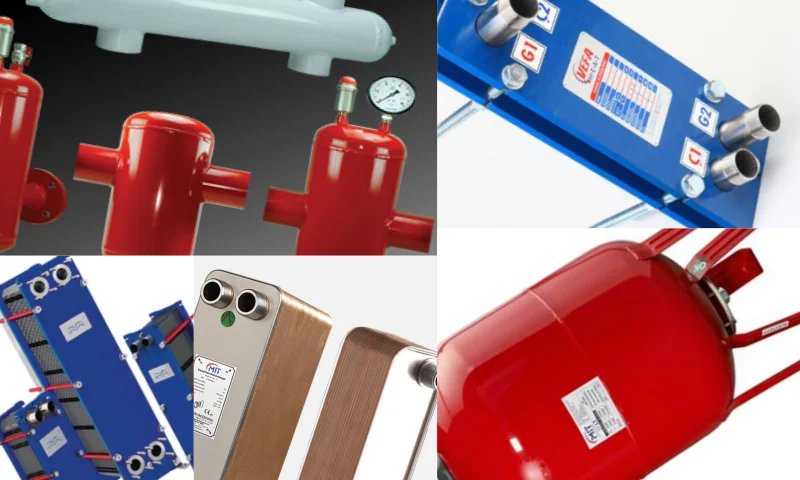
How Should a Balance Tank Be Selected?
Fluids used in installations cause heat loss while returning from the fluid piping system. The occurrence of this heat ratio causes stresses in the boiler, significantly reducing its lifespan. The primary and most important function of the balance tank material is to mix the cooled fluid coming from the installation with the hot water coming from the boiler to create thermal balance. This minimizes thermal imbalance. It contributes to extending the life of pumps and enabling them to operate more efficiently. For this, you can get service from the site https://www.vefaheat.com/isil-denge-elemanlari/.
What are the Benefits of Using a Balance Tank?
- When sizing, the maximum hot water level in the heating system must be taken into account.
- The water flow rate inside the hydraulic balance tank must be sized to be at a maximum of 0.2 m/s.
- The pump on the primary side must be selected to overcome the resistance of the boiler and the primary side piping. The pump on the secondary side must be selected to overcome the resistance of the secondary side piping. All heating circuit systems on the secondary side must have a separate pump. The resistance of the balance tank is negligible.
- The return water temperature is measured via a temperature sensor in a sensor sleeve welded close to the secondary side return on the balance tank.
Using such tanks offers significant advantages to the user. The most important of these advantages is heat recovery and the resulting savings. In certain situations, negative consequences may arise in systems due to hydraulic imbalances. The balance tank both prevents and hinders the occurrence of these hydraulic imbalances. It also prevents thermal stress, ensuring the boiler has a much longer lifespan and usability.





