
What is a Starter Motor and What is it Used For?
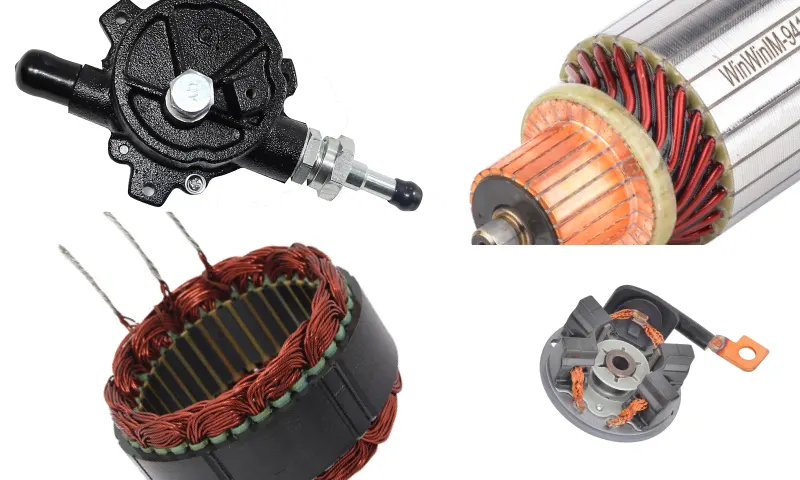
Starter Motor Parts and Features
It is an electric device used to start the internal combustion engine of a vehicle. For more information about the starter motor, you can visit https://morotogrup.com/mars-motoru/mars-motorlari-sifir. It provides the initial movement of the engine, ignites the fuel-air mixture in the combustion chamber, and starts the engine's rotation. Generally powered by the battery, the starter motor is a critical component for the proper functioning of the vehicle's engine. It converts electrical energy into mechanical energy with the help of a solenoid and makes the engine rotate. Once the process is complete, the engine becomes self-sustaining, and the motor's job is done.
Starter Motor Faults and Maintenance
A starter motor consists of multiple parts, and each part is important for the system to function smoothly. The electric motor, the main part of the starter motor, creates rotational motion using energy from the battery. The solenoid controls the electric current, initiating the motor's operation and transmitting the rotational motion to the motor shaft. The Bendix gear, connected to the motor shaft, transfers the motion to the engine's flywheel, initiating the rotation function. The flywheel is the part that transmits the rotational motion from the starter motor to the main engine. Starter motors can fail over time, which can prevent the vehicle from starting. Common faults include: No operation is usually caused by battery problems, cable breaks, or solenoid failure. Slow rotation occurs because the electric motor does not receive enough energy. Noisy operation may be due to damage to the Bendix gear or flywheel. Regular maintenance is essential for a long lifespan. Regularly checking battery connections, observing electrical cables for damage, and seeking professional help when necessary can extend the motor's life. With regular maintenance, you can both preserve the vehicle's performance and prevent unexpected failures.